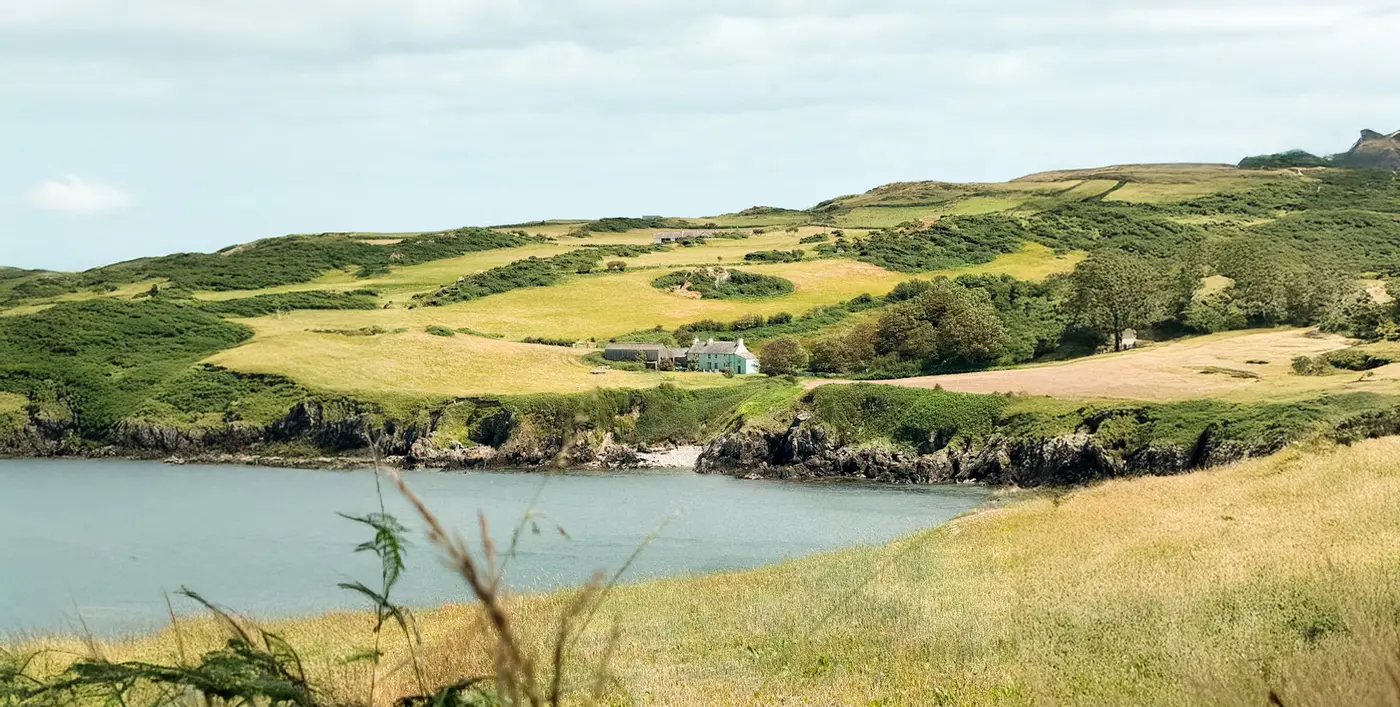
Anglesey is under increasing pressure from climate change, from a growing population in need of housing development and higher tourist numbers, intensive farming practices and the need for energy production. The Island along with the rest of the UK ‘s biodiversity is in decline. Although Anglesey has many protected areas for the priority habitats such as lowland and coastal heath, sand dunes, hedgerows’ and woodlands there are still serious declines in species numbers, for example; reported decline in numbers of butterflies, moths and invertebrate species in general, many of which are considered Critically Endangered or Vulnerable (invertebrate Red List). For plants (including vascular, bryophytes and lichens) many are reported in decline, endangered or even extinct. Similar declines may be occurring within species groups we know little about – e.g. fungi and soil bacteria, which are essential for ecosystem functioning.
In response to the Rio Summit in 1992, world leaders pledged to fight against wildlife extinctions and signed the Convention on Biological Diversity. The UK generated the UK Biodiversity Action Plan and Anglesey along with other local plans developed the Anglesey Local Biodiversity Action Plan, to help important habitats and species. The main focus at a national level is on the four components of ecosystems: biodiversity, land, air and water. Information from the Welsh Government on their action plans can be found at www.naturalresourceswales.gov.uk they are quoted as saying ‘’ we need to think in terms of changing species distributions, composition of ecological communities, and ecosystem function and process. This is where the elements of diversity, extent, condition and connectivity start to mesh and provide the basis for adaptation to happen.’’
Habitats reflect ecosystem diversity and the loss of habitats will inevitably lead to species decline. The connectivity within and between ecosystems applies to all species, allowing movement across a landscape, which allows for seed and gene dispersal, nutrient and water components to flow and ecosystem functions to flourish. Any negative impacts of connectivity should be looked at and managed. Adaptations to change would also need to be looked at in the long term especially in relation to climate change, but by increasing biodiversity and protecting existing habitats many species may have time to adapt.
Two current concerns for habitat loss and species loss are with the Penrhos coastal and woodland park for the creation of a holiday park, shops and car park, and the Alaw Mon scheme for solar panels
‘’In August 2025, Welsh government energy secretary Rebecca Evans, approved the Alaw Môn scheme, which would see solar panels installed over 660 acres (267 hectares) near the island’s Llyn Alaw reservoir. It has faced opposition from residents and was met with resistance from the authority, which claimed the Welsh government had gone against its own planning guidelines.’’ Source Gareth Wyn Williams, BBC Wales, Published 2 October 2025.
ORGANISATIONS WORKING FOR WILDLIFE AND HABITAT CONSERVATION IN WALES
There are many agencies working to save and restore Anglesey’s wildlife, and this is mostly being done by the protection and management of habitats with a focus on the wildlife species the habitats support for example:-
Amphibian and Reptile Conservation Trust ; creating partnerships between community, voluntary and statutory groups; sharing knowledge and resources to promote awareness and better management of amphibian and reptiles. Recordings of Great Crested Newts, Common Toad, Adder, Grass Snake (Natrix helvetica. ) on Anglesy https://www.arc-trust.org
Cofnod ; with the support of organisations, groups and individual recorders, Cofnod brings together the largest range and number of biodiversity and geodiversity data in North Wales. www.cofnod.org.uk For online wildlife recording go to;- https://cofnod-ors.lerc.online
Esmee Fairbairn Foundation; https://www.esmeefairbairn.org
One project by Esmee Fairbairn is Blue Spaces – Wales, which is supporting projects looking after freshwater habitats.
Nature Friendly Farming Netwok (NFFN), an organisation which is farmer led and open to the public to join, their aim is to restore the balance between nature and farming.
Fresh Water Habitats Trust; flag ship pond sites is a project since 2015 which helps to support the long term sustainability of 70 ponds across England and Wales, 4 of which are on Anglesey, the sites support priority species and habitats included in the European Habitats Directive.https://freshwaterhabitats.org.uk/projects/flagship/introducing-flagship-sites
Mammal Society; UK based charity devoted to the study and conservation of the mammals of the British Isles, raising awareness of the issues facing U.K. mammals and sharing research, and with local organisations and events . http://www.northwalesmammalgroup.com
Nature Recovery Action Plan Implementation Group, chaired by Welsh Government provides the overall direction of activity for the Nature Recovery Action Plan for Wales. The group has a wide membership from Welsh Government, Natural Resources Wales, the environmental third sector and other public and private sector organisations. https://www.biodiversitywales.org.uk
National Trust; own many coastal properties where wildlife conservation is an objective. Red Squirrel populations are found at Plas-newydd woodlands. https://www.nationaltrust.org.uk/visit/wales/plas-newydd-house-and-garden
Natural Resources Wales (NRW); Is a Welsh government sponsored body , it protects 60 Sites of Special Scientific Interest (SSSIs) of which four are managed as National Nature Reserves (NNRs). The NRW’s purpose is to “pursue sustainable management of natural resources” and “apply the principles of sustainable management of natural resources” as stated in the Environment (Wales) Act 2016. https://naturalresources.wales
North Wales Wildlife Trust ; managing 35 nature reserves in North Wales with 5 nature reserves on Anglesey, including the National Nature Reserve (NNR) at Cors Goch and Cemlyn nature reserve. nwwt@wildlifetrustswales.org
Peoples Trust for Endangered Species is run by a board of trustees and volunteers with a focus on research and funding conservation organisations, scientific researchers and wildlife experts. Looking at how they can have the most impact for animals which have the greatest need. Dormice, Hedgehogs, Water Voles, and their habitats are just a few of the species they are focused on. They set up the National Water Vole Monitoring Programme (NWVMP) in 2015, working with other organisations in Wales . Source: https://ptes.org
RSPB; manages 4 nature reserves on Anglesey and is restoring wetlands on it’s Malltraeth Marsh and Cors Crugull reserves. All of these sites are of European and global importance. www.rspb.org.uK
Wales Biodiversity Parnership (WBP) set up to promote and monitor biodiversity and ecosystem action in Wales, it disbanded and the work programme was taken on by the Wales Biodiversity Strategy Board (WBSB) and the WBP working groups.. The WBSB was responsible for developing the Nature Recovery Action Plan for Wales. This work has now passed to the Nature Recovery Action Plan Implementation Group. Source: https://www.biodiversitywales.org.uk
Woodland Trust; a woodland U.K. conservation charity, on Anglesey the charity manages two woodland locations ; Coed Avens, Mynydd Eilian Amlwch and Coed Cwr y Pwll, Llanfaelog Rhosneigr, with a wildflower meadow and pond. Reporting also on the State of the UK’s Woods and Trees 2021. Source: https://www.woodlandtrust.org.uk/state-of-uk-woods-and-trees